Most private equity firms manage portfolios where financial data spans dozens of disconnected systems: each portco running its own ERP, fund accounting on a platform that doesn't connect to portco finance, and valuations assembled from spreadsheets emailed around each quarter. Unified data infrastructure solves this by creating a single source of truth across all fund entities: one environment where financial, operational, and performance data from across your private capital portfolio is ingested, standardized, and queryable from one place. Building it requires more than a single platform, but once it exists, it transforms what private equity data management can do.
Fragmented data isn’t a technology inconvenience; it’s a structural risk that compounds across every core function of a PE firm. The asset class is decentralized by design: portcos operate independently, fund entities are legally separate, and GPs historically had no mandate to standardize how portcos ran their systems. That design made sense when private equity was a buy-and-hold business with quarterly reporting. In today’s private markets, where LP expectations and competitive pressure on deal sourcing demand near-real-time operational insight, the same structure has become a liability.
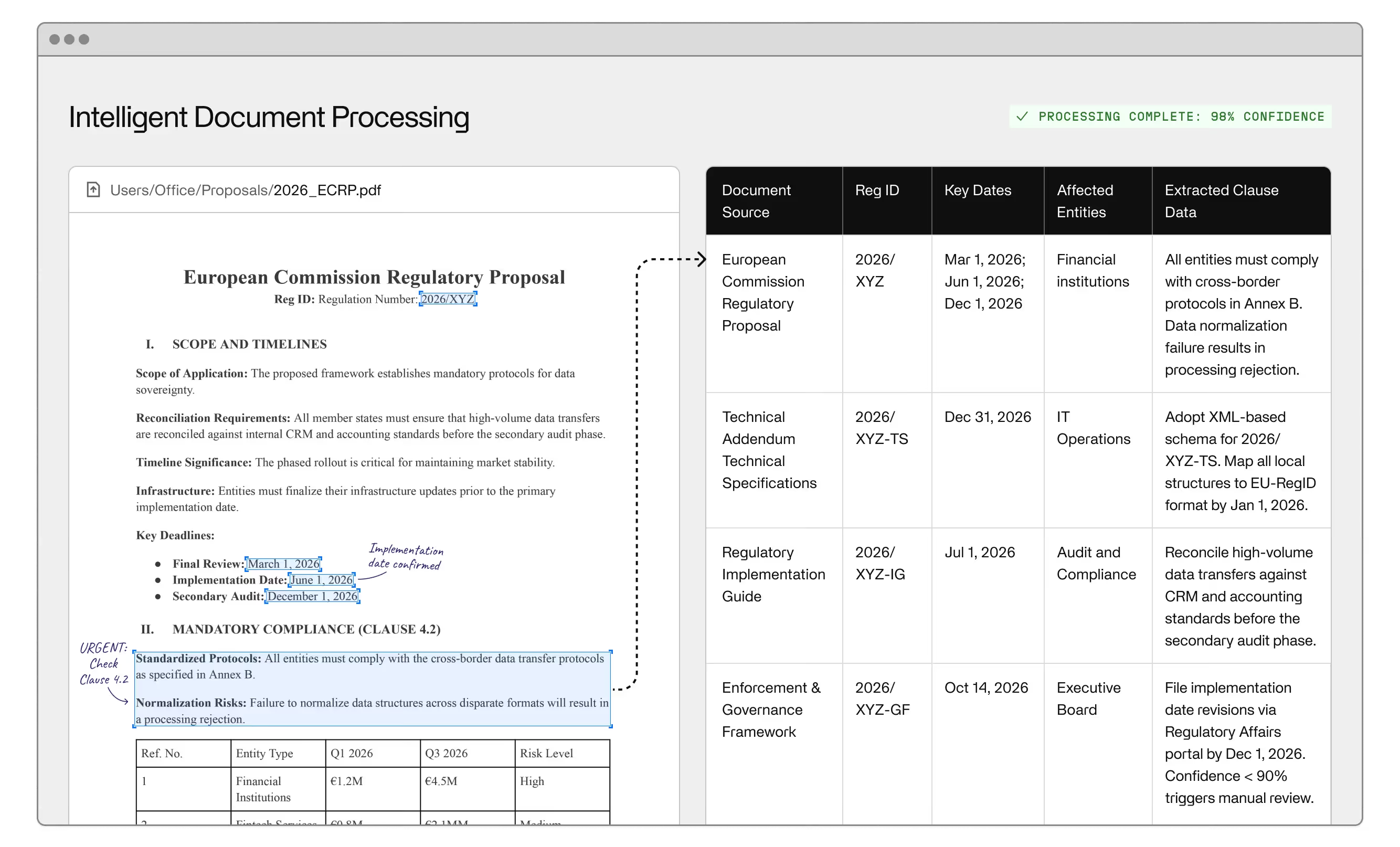
The hidden costs compound across three areas. PE finance teams spend a disproportionate share of cycle time on portco data gathering rather than analysis. Consolidation that should take hours takes weeks when it depends on manual ERP exports from each company in the fund. Data quality degrades as it moves: valuations assembled from figures emailed across multiple handoffs introduce errors that compound into material misstatements by the time they reach the fund level. And every business intelligence or AI initiative built on this foundation requires rebuilding pipelines from scratch, because no standard ingestion layer exists to support risk management, portfolio performance reporting, or consistent fund-level analytics.
LP and fundraising pressure is accelerating the urgency. Sophisticated LPs now expect data rooms with standardized metrics, ESG data, and portco-level granularity, and they expect them on demand, not assembled over six weeks. Private equity funds that can demonstrate portfolio-wide data visibility during fundraising have a measurable differentiation advantage. The ones that can’t are increasingly on the back foot.
Back-office automation addresses part of the operational burden, but without a unified data layer underneath, automation adds efficiency to a broken process rather than fixing the underlying architecture. Scaling AI across a PE portfolio faces the same constraint: the data has to exist in a usable form before any intelligence layer can work.
A unified data infrastructure is not a single platform that replaces your portcos’ systems — portcos will keep running the ERP, CRM, and finance tools that work for their businesses. What it replaces is the absence of a layer above those systems: a central data environment where outputs from across the portfolio are normalized into a consistent schema and made available for fund-level analysis.
The architecture typically has four components. A data warehouse (or lakehouse) serves as the physical repository for cleaned, structured data from across the portfolio. A standardized schema maps portco-specific data fields to fund-level definitions so that revenue at Company A and revenue at Company B mean the same thing when they land in the same table. Ingestion pipelines handle the extraction and transformation work: connecting to portco systems, pulling data on defined schedules, and applying the schema. And a governance layer sits over all of it, enforcing data quality rules, tracking data lineage, and making the whole system auditable.
Private capital is at an inflection point on this infrastructure question. Five years ago, consolidating portco data into a central environment was a meaningful technical undertaking available only to the largest GPs with dedicated technology teams. Today, modern cloud data tools have dropped that barrier substantially, and the competitive pressure from private markets peers who have already built this layer is increasing the cost of not having it.
The single source of truth concept only holds if the right data sources are actually feeding it. For private capital managers, five integration areas matter most.
Portfolio company financial systems. ERP and accounting platforms at the portco level are the primary source for revenue, cost, margin, and cash flows data. These vary widely across a portfolio: a mid-market PE fund might have portcos on NetSuite, SAP, QuickBooks, and a custom system simultaneously. Ingestion pipelines need to handle that heterogeneity rather than requiring portcos to standardize their own systems.
Fund accounting and CRM. Fund-level data lives in separate systems from portco data: LP management, capital calls, distributions, and fund-level KPIs tracked in fund accounting platforms; deal sourcing pipeline and relationship data in your CRM. Both need to connect to the central layer. Enterprise AI data integration covers the technical patterns for connecting these kinds of disparate sources.
Deal model data. Investment thesis assumptions, deal models, and entry valuation work sit in models that were built during due diligence. Connecting those to live portco performance data is how you close the loop between what you underwrote and what you’re seeing, a gap that most private capital funds never systematically track.
ESG and compliance data. LP reporting requirements increasingly include ESG metrics at the portco level. If these are collected separately from the main data infrastructure, they become another fragmented silo rather than part of the single source of truth.
The hardest part of the portco data layer is not the technology; it’s the operational process. Getting consistent, timely data out of your operating companies requires clear data submission protocols, portco finance team buy-in, and governance that sits at the GP level. Getting this right is as much an operational discipline as a technical one.
Most unified data programs in private equity stall not because the technology fails but because the governance layer was never built. A data warehouse that ingests portco data is necessary but not sufficient; without governance, you get a warehouse full of inconsistently defined fields, undocumented schema changes, and no clear accountability when the numbers don’t reconcile.
A functional governance model for private capital data management has three requirements. A data dictionary defines every field at the fund level: what revenue means, how EBITDA is calculated, which adjustments are included in which contexts. Schema validation at the ingestion layer rejects or flags incoming portco data that fails fund definitions, rather than silently accepting mismatched figures. An ownership model assigns accountability at the portco finance level — specific people, not just a team, who are responsible for the accuracy of data submitted from each company.
Private equity data analytics that drives real value creation requires both layers working together. The technical infrastructure determines what data you can query; the governance model determines whether the answers you get are trustworthy. Building a data strategy without a governance model produces a system that generates reports nobody fully believes, which means decision-makers continue to rely on their own spreadsheets, and the infrastructure investment doesn’t change behavior.
Data integration without governance is also an audit risk. As regulatory scrutiny of private markets increases and LP agreements more frequently include data rights provisions, having a documented, auditable chain from portco source systems to fund-level reporting is becoming a compliance baseline, not a best practice.
Building unified data infrastructure doesn’t require a big-bang migration. Firms that successfully make this transition typically work through three phases, each building on the last without requiring portcos to change their own systems.
Phase one establishes the financial data foundation: connect fund accounting and the core financial reporting layer from portcos into a central repository, standardize the schema for revenue, cost, and margin metrics, and get consistent KPIs flowing at a monthly cadence. This phase alone eliminates most of the manual data collection burden and creates the first version of a real portfolio monitoring capability.
Phase two extends the infrastructure to operational data: connecting portco systems that track non-financial KPIs (customer metrics, operational throughput, headcount data) into the same environment. This is where the operational picture becomes genuinely useful for active portfolio management and value creation tracking, rather than just LP reporting.
Phase three builds the intelligence layer: machine learning models that surface risks from cross-portfolio data patterns, AI-driven anomaly detection, automated benchmarking across the portfolio, and predictive models that use portfolio-wide data to flag risks before they become problems. These tools only work if phases one and two are solid; AI applied to fragmented or ungoverned data produces unreliable outputs that erode trust in the system. Evaluating AI capabilities for PE operations is worth reading before committing to phase three vendors.
The compounding benefit of getting through all three phases is significant. Operational efficiency gains from eliminating manual reporting overhead are immediate and measurable, tracking equity investment performance across the portfolio in near real time. But the fundraising narrative you can tell with clean, portfolio-wide data, showing LPs standardized performance metrics across every fund entity, with documented data lineage: this is the differentiation that increasingly determines which private capital firms win allocations from the most sophisticated LPs.
Invisible builds and operates unified data infrastructure for private equity firms that need portfolio-wide visibility without burdening portco teams. See how Invisible approaches PE data management or start a conversation here.
A single source of truth in private equity is a centralized data environment where financial, operational, and performance data from all fund entities and holdings is consolidated into one queryable layer. It eliminates the version conflicts that occur when different teams work from different data exports and gives the investment team one authoritative dataset for portfolio monitoring and LP reporting.
The core sources are portco ERP and accounting systems, fund accounting platforms, CRM data for deal sourcing pipeline, and deal model outputs from due diligence. More mature programs also pull ESG and compliance metrics, operational metrics from portco systems, and market benchmarking data. The challenge is not identifying the sources but standardizing their outputs into a consistent schema.
Phase one: financial data consolidation with consistent metrics flowing from portcos into a central repository, typically takes three to six months for a mid-market fund with five to fifteen portcos. Phases two and three, adding operational data and the intelligence layer, extend that timeline by another six to twelve months depending on portco system complexity.
A data warehouse is the storage and query layer: the place where cleaned data lives. Unified data infrastructure is the full system: ingestion pipelines, schema standardization, governance rules, and the warehouse together. Private capital firms that build only a warehouse without the surrounding layers often end up with a repository of inconsistently defined data that is queryable but not trustworthy.
Data governance at the GP level defines the fund-wide data dictionary and schema validation rules. At the portco level, governance means assigning specific ownership for data submission accuracy within each portfolio company's finance team. The GP governs the standards; portcos are accountable for submitting data that conforms to them. Without both layers, the governance model breaks down at the ingestion step.
Technically yes, but the outputs are unreliable. AI tools applied to fragmented, ungoverned portco data produce anomaly flags and predictions based on inconsistently defined inputs, which means the models are as likely to reflect input inconsistencies as real business signals. Meaningful private equity data analytics requires a clean, standardized data foundation before AI adds genuine decision-making value.
Portco finance teams run on tight bandwidth and treat GP data requests as an additional reporting burden on top of their existing close process. Without standardized templates, automated ingestion, and clear ownership at the portco level, reporting defaults to ad hoc email requests that produce inconsistent formats on inconsistent timelines. Solving this is primarily an operational problem, not a technology problem.