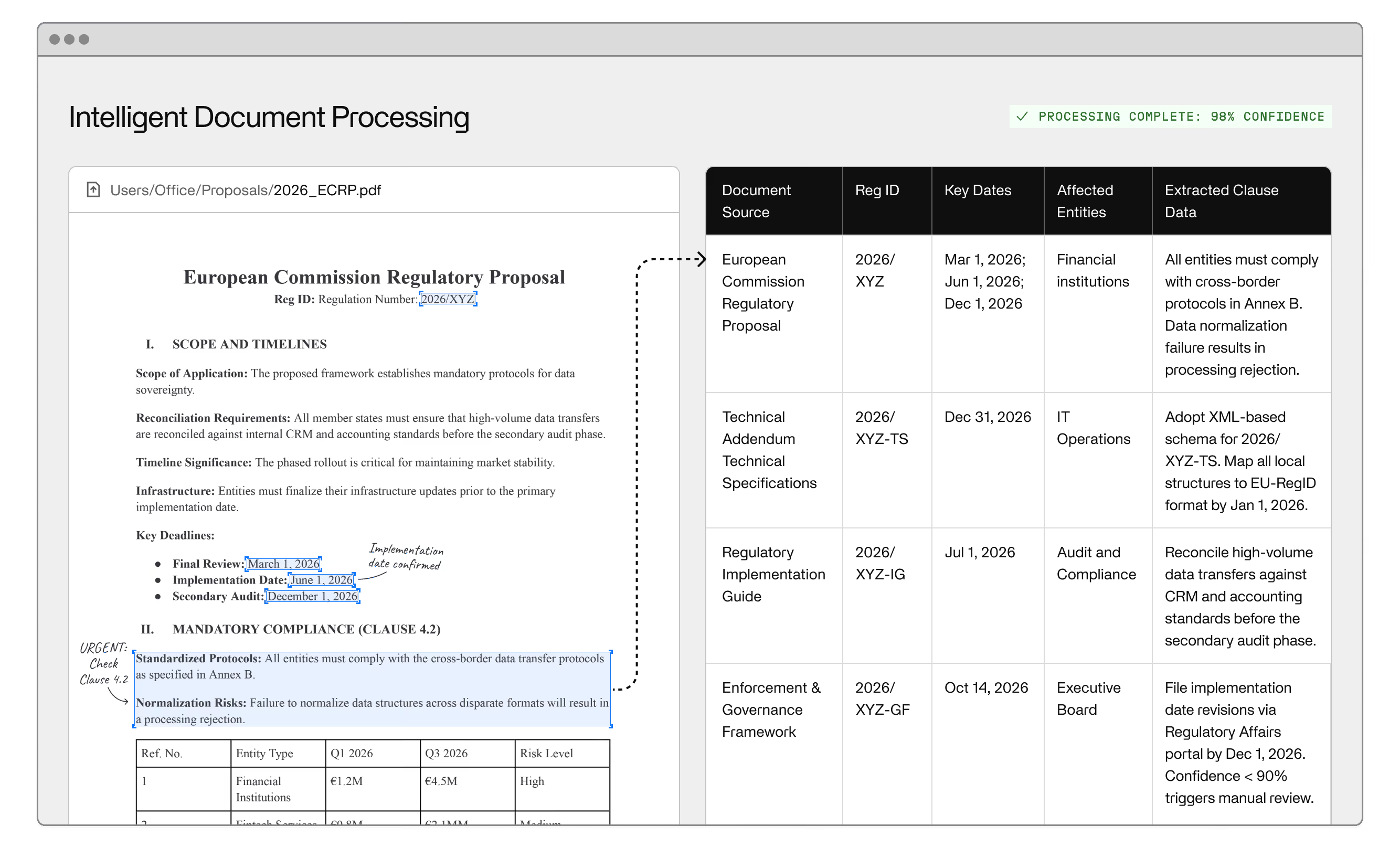
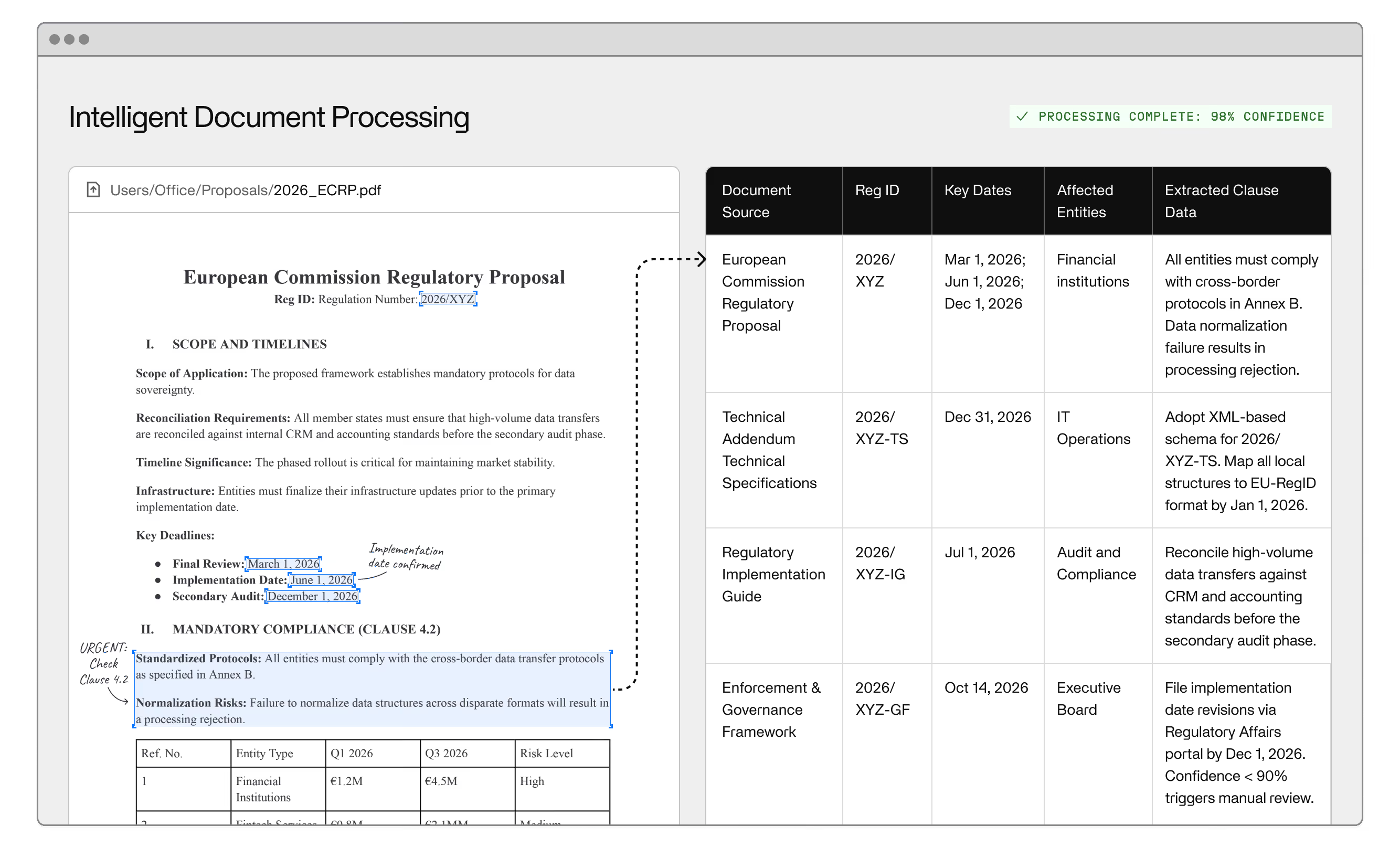
Handles messy inputs like scanned PDFs, and complex logic like multi-step approvals across any back-office function.
Agents learn from corrections and new edge cases, adapting without reprogramming.
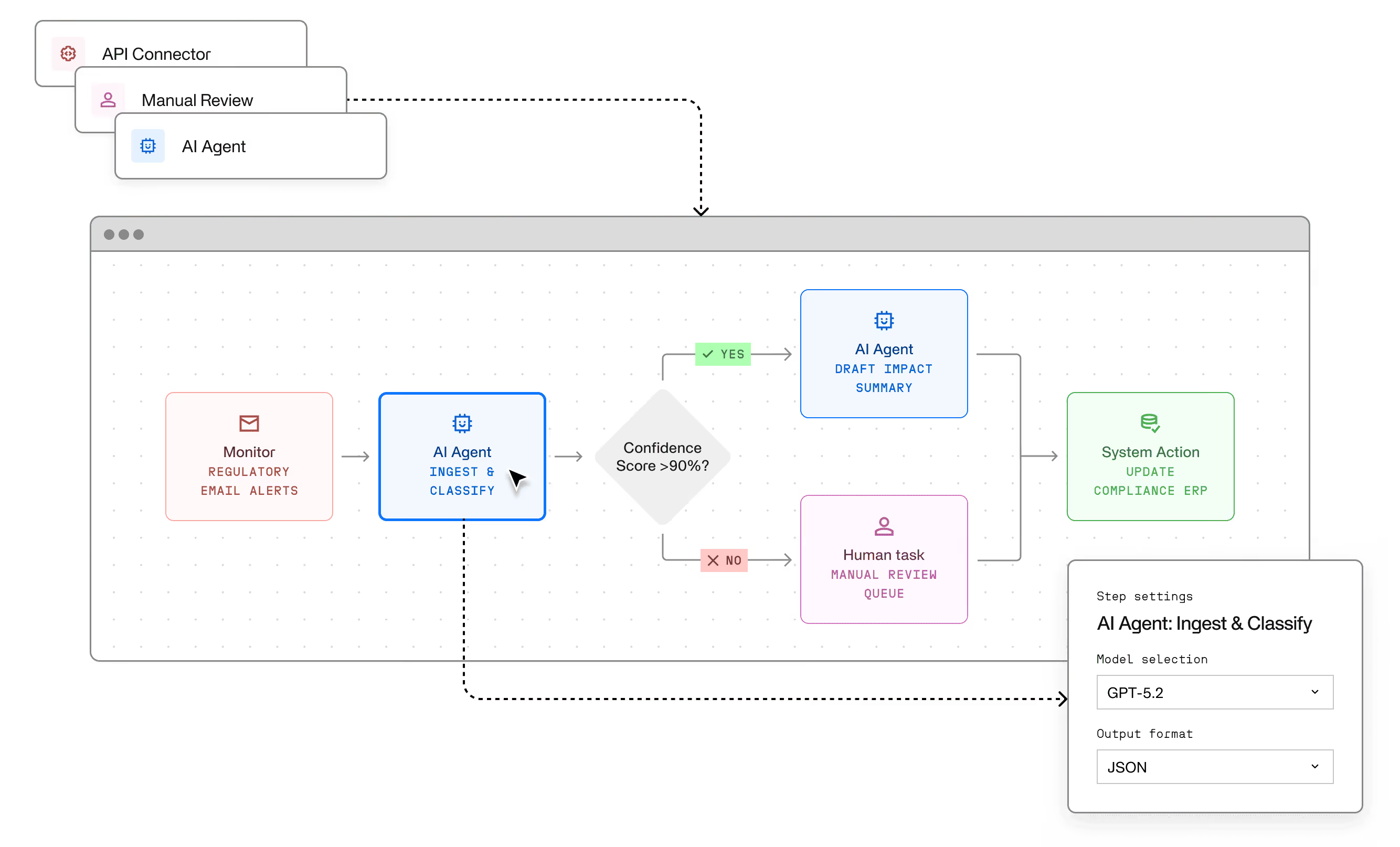
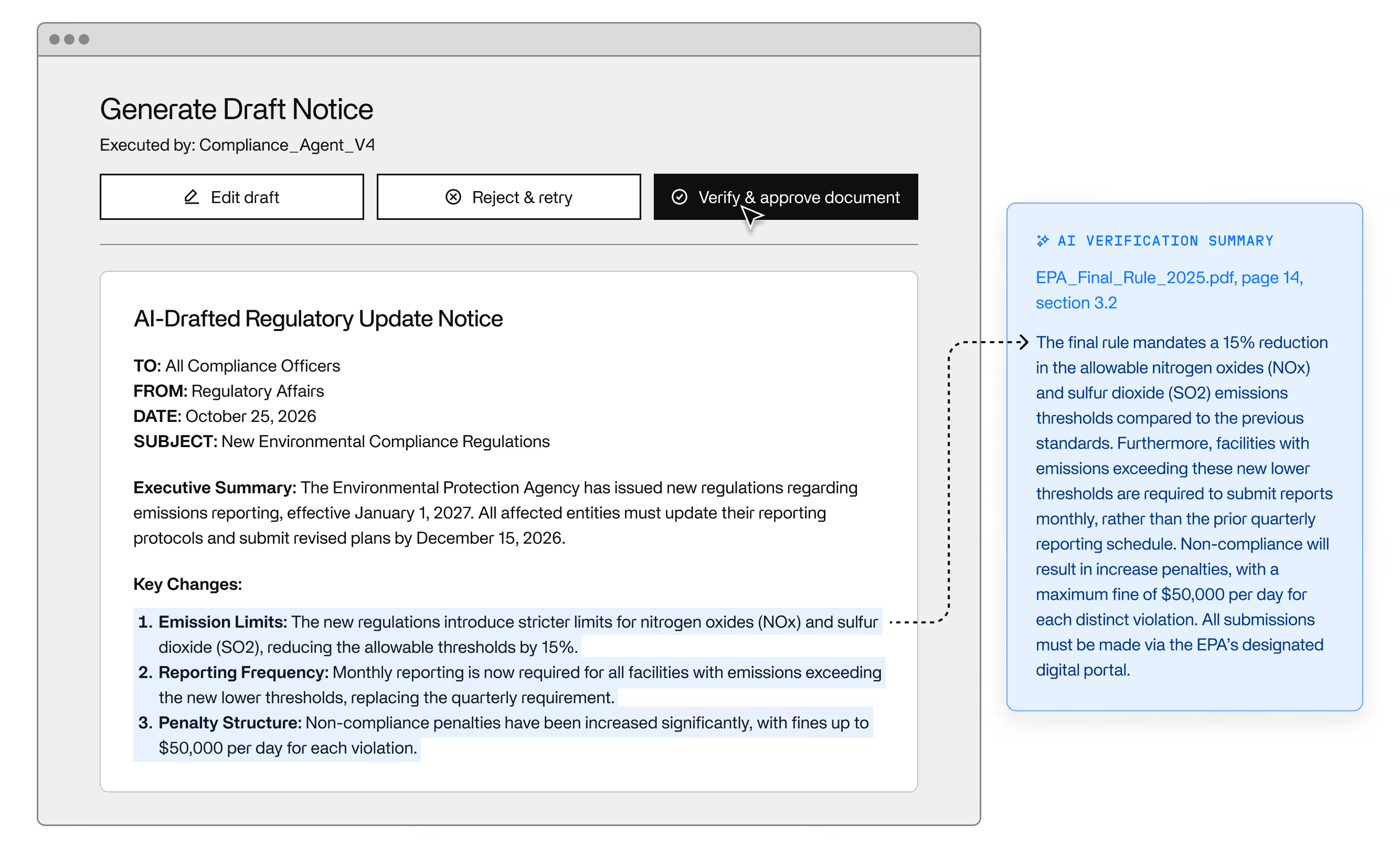
Human judgement loops at critical checkpoints. Low-confidence decisions reviewed, high-stakes outputs verified, staying compliant.


Traditional RPA follows fixed rules and breaks the moment inputs vary from what it expects. AI-powered back-office automation is built to handle the messiness of real operations: scanned PDFs, inconsistent invoice formats, ambiguous email instructions, and more. Unlike RPA, it adapts to new edge cases over time without needing to be reprogrammed. And rather than replacing humans entirely, it routes low-confidence decisions to human reviewers, so you get machine speed without sacrificing judgment where it matters.
Human oversight means people are built into the workflow at specific checkpoints. When an AI agent's confidence falls below a defined threshold, or when the output is high-stakes, the system automatically flags it for human review before the process moves forward. This keeps things moving fast while ensuring accuracy, compliance, and clear accountability throughout.
Yes, and this is actually where most automation tools fall short. Exceptions, unusual formats, and multi-step decisions that require real judgment tend to break rule-based systems. Invisible is built specifically for this kind of work. Agents learn from corrections over time, exceptions are escalated to human reviewers at the right moments, and routing logic is configured around your business rules rather than forcing your processes into rigid templates.
Yes. Compliance is a core design consideration, not something bolted on afterward. Human judgment is embedded at critical checkpoints so high-stakes outputs are verified before they move forward. Workflows can be configured to meet your specific regulatory or audit requirements, and the platform surfaces source evidence for every AI-generated output so reviewers can fact-check decisions before approving them.
It depends on the complexity of the workflows involved, but the process is faster than most people expect. Invisible builds workflows around your existing logic and processes rather than making you conform to a fixed template. And because agents adapt to new inputs and edge cases as they encounter them, you don't need to have every scenario mapped out before you go live. The system gets better as it learns from real-world variation.
AI can automate a wide range of back-office tasks including data extraction from scanned documents and PDFs, invoice parsing and normalization, regulatory filing processing, approval routing based on confidence thresholds, compliance exception flagging, and drafting outputs for human review. The most effective automation handles both high-volume repetitive work and the complex, exception-heavy tasks that have traditionally required significant manual effort.