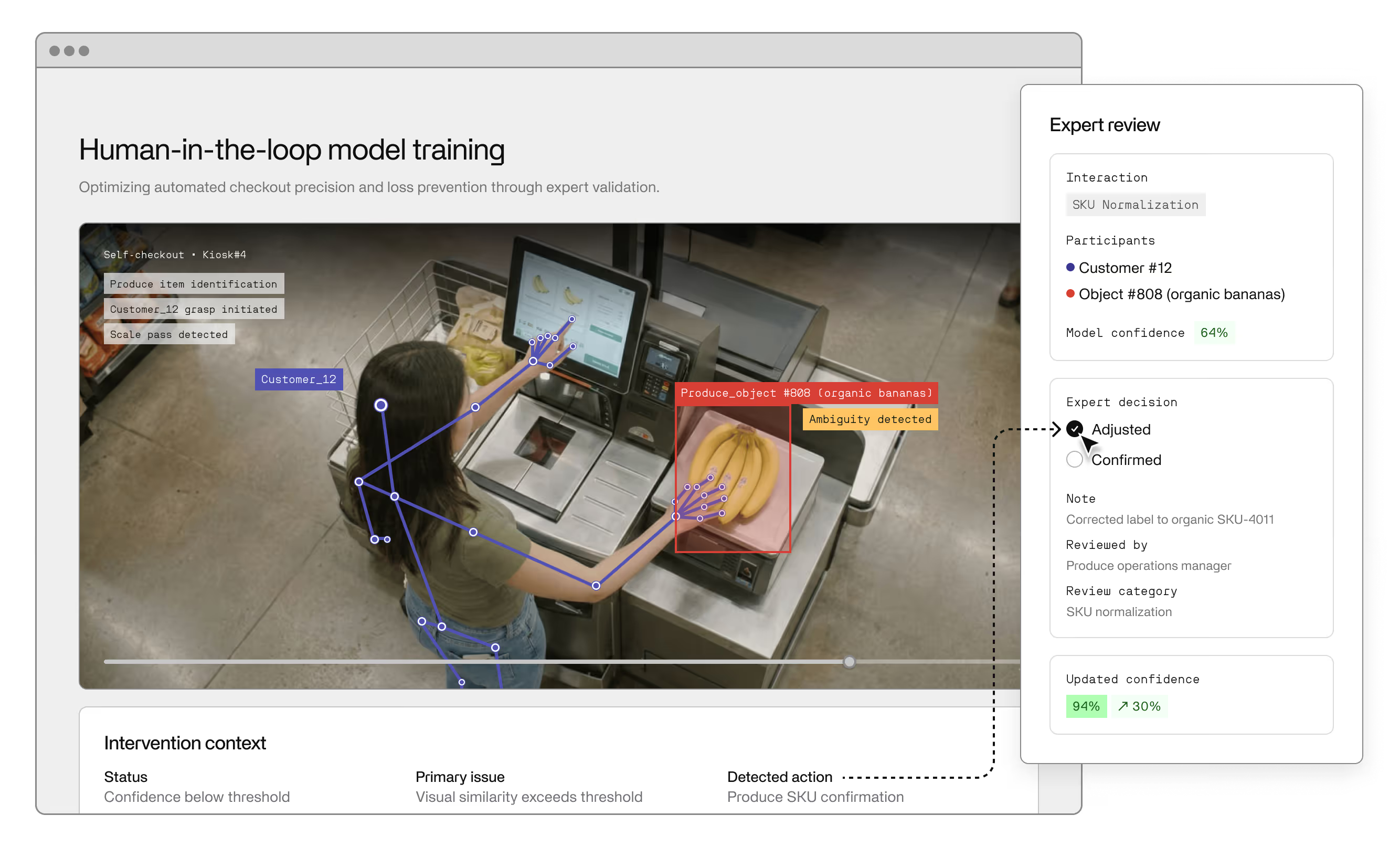
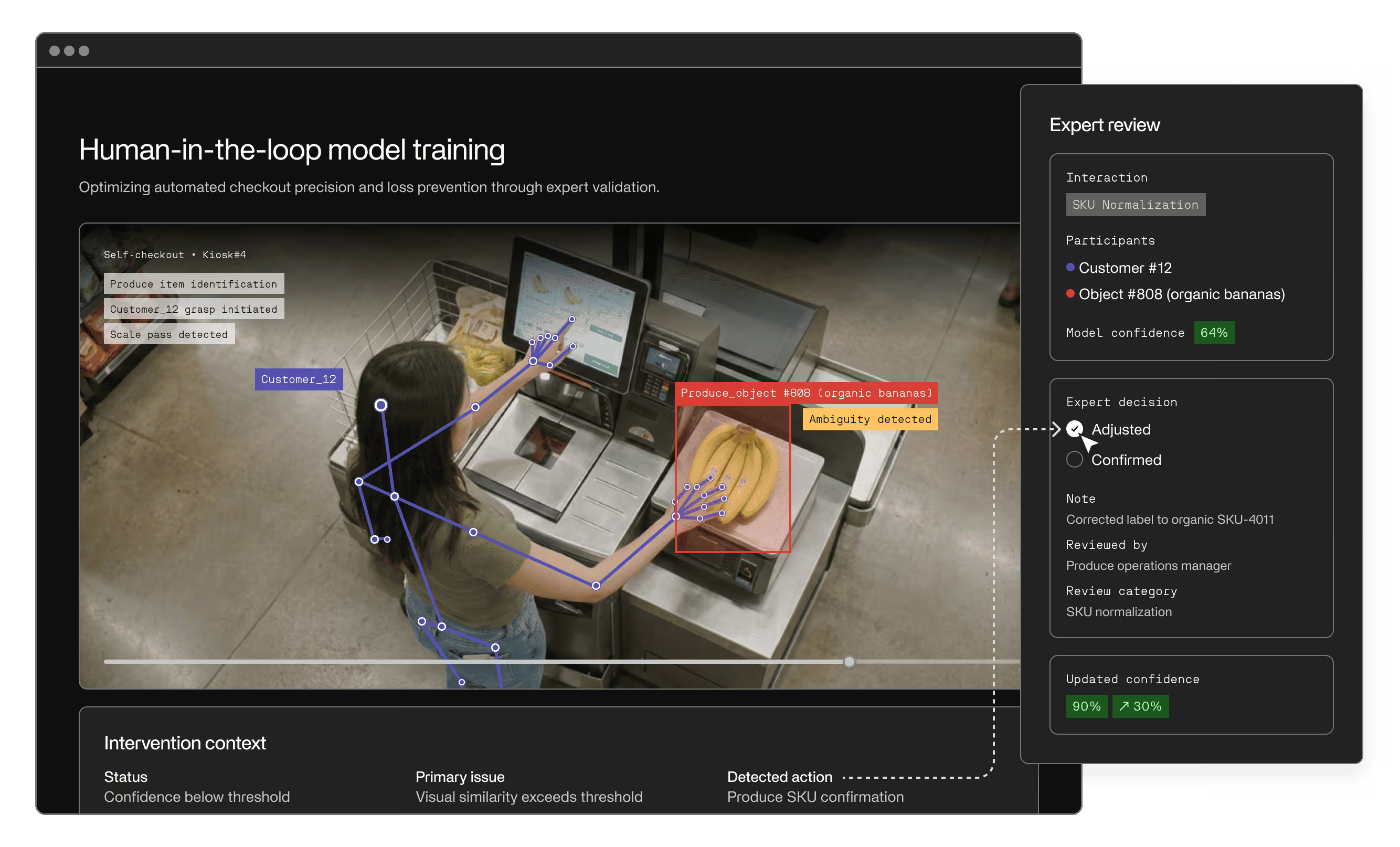
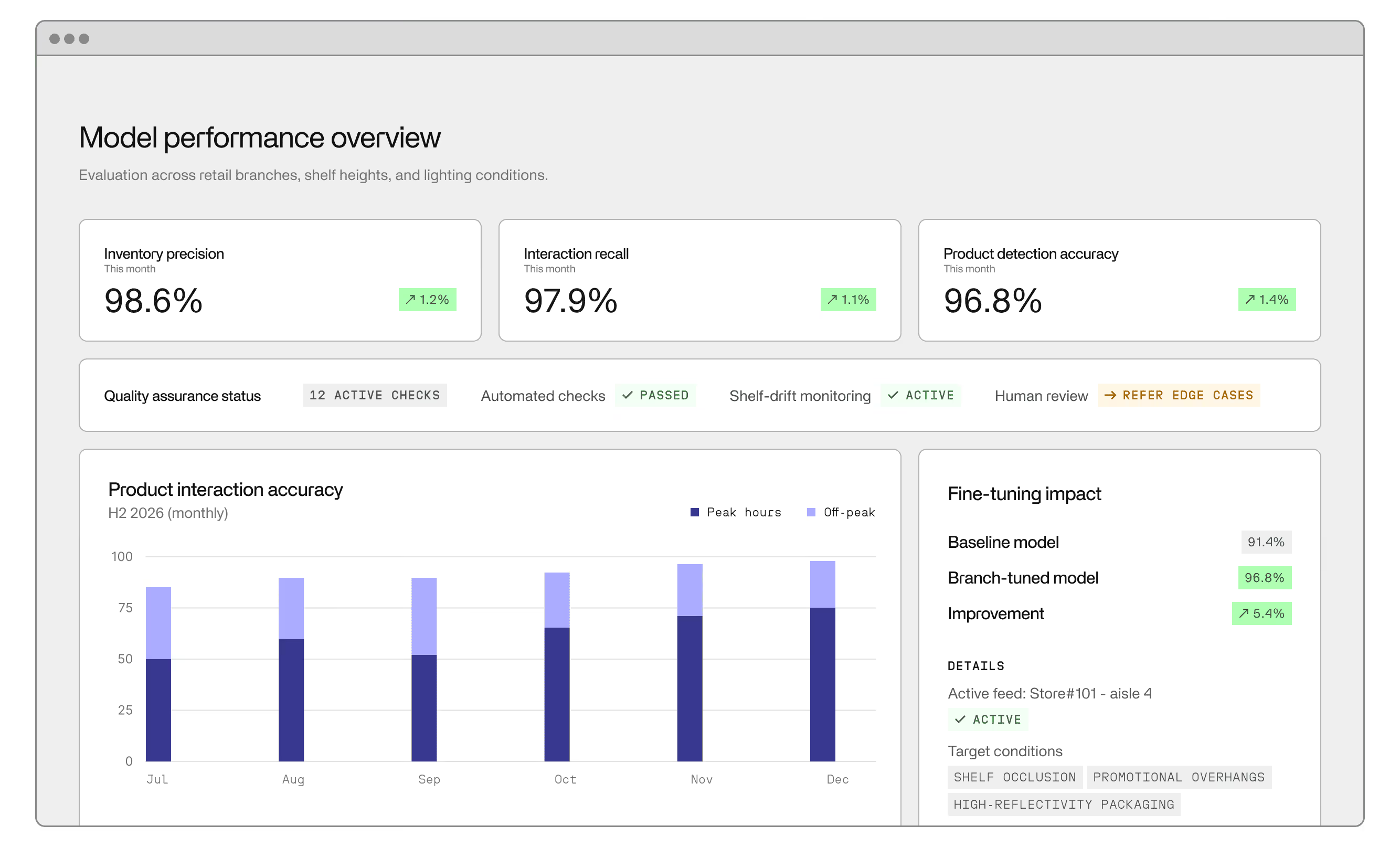
Models are fine-tuned with your data, and continuously evaluated and improved with human-in-the-loop validation.

Built for dynamic, complex environments from the court to the factory floor.

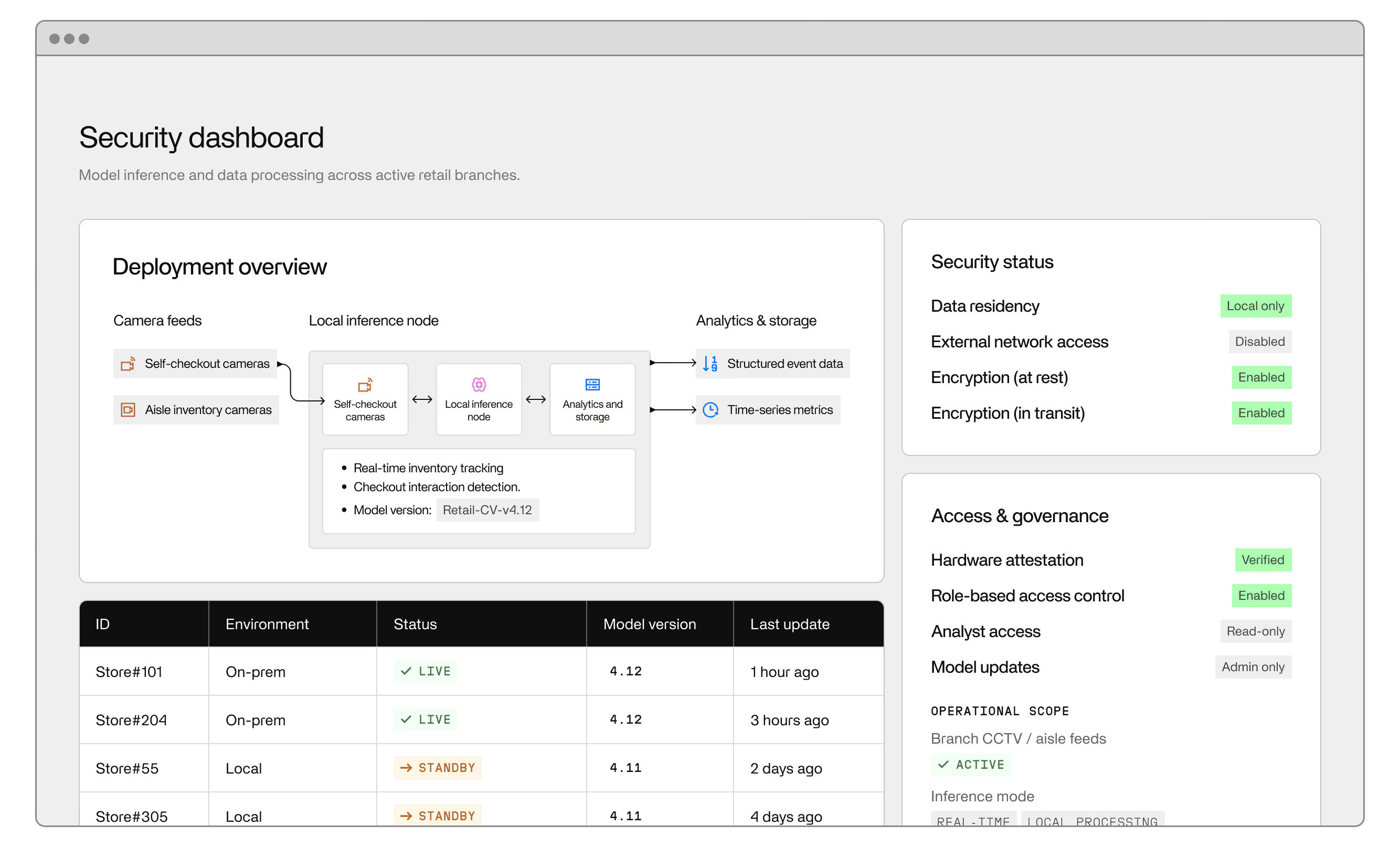
Deploy on-prem or in secure environments. No cloud dependency. No data leaving your control.
Most vision systems stop at detection. Invisible delivers the full lifecycle, from training through deployment to decision-ready insight.
Vetted domain experts continuously train and fine-tune models to maintain performance as conditions change.
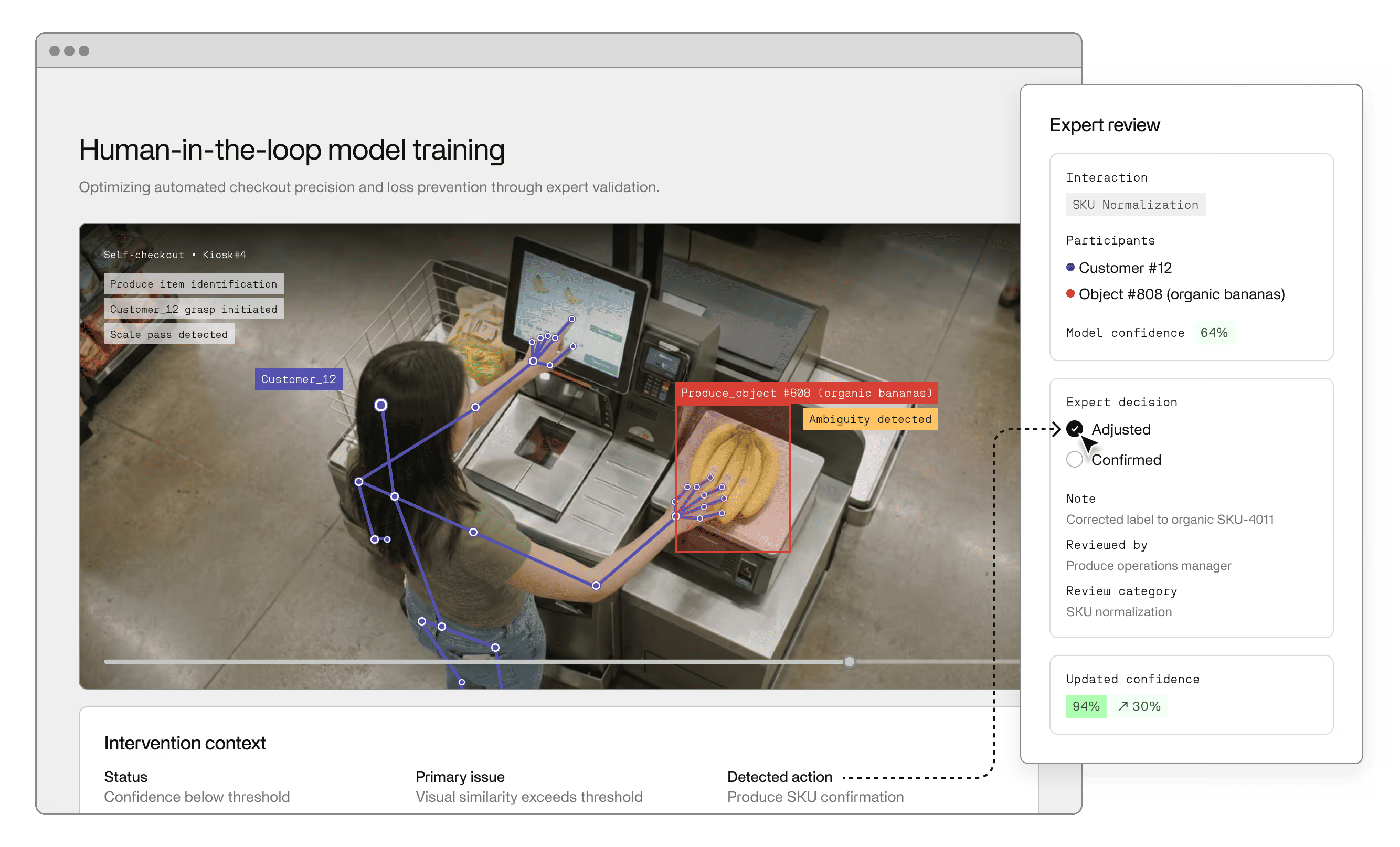
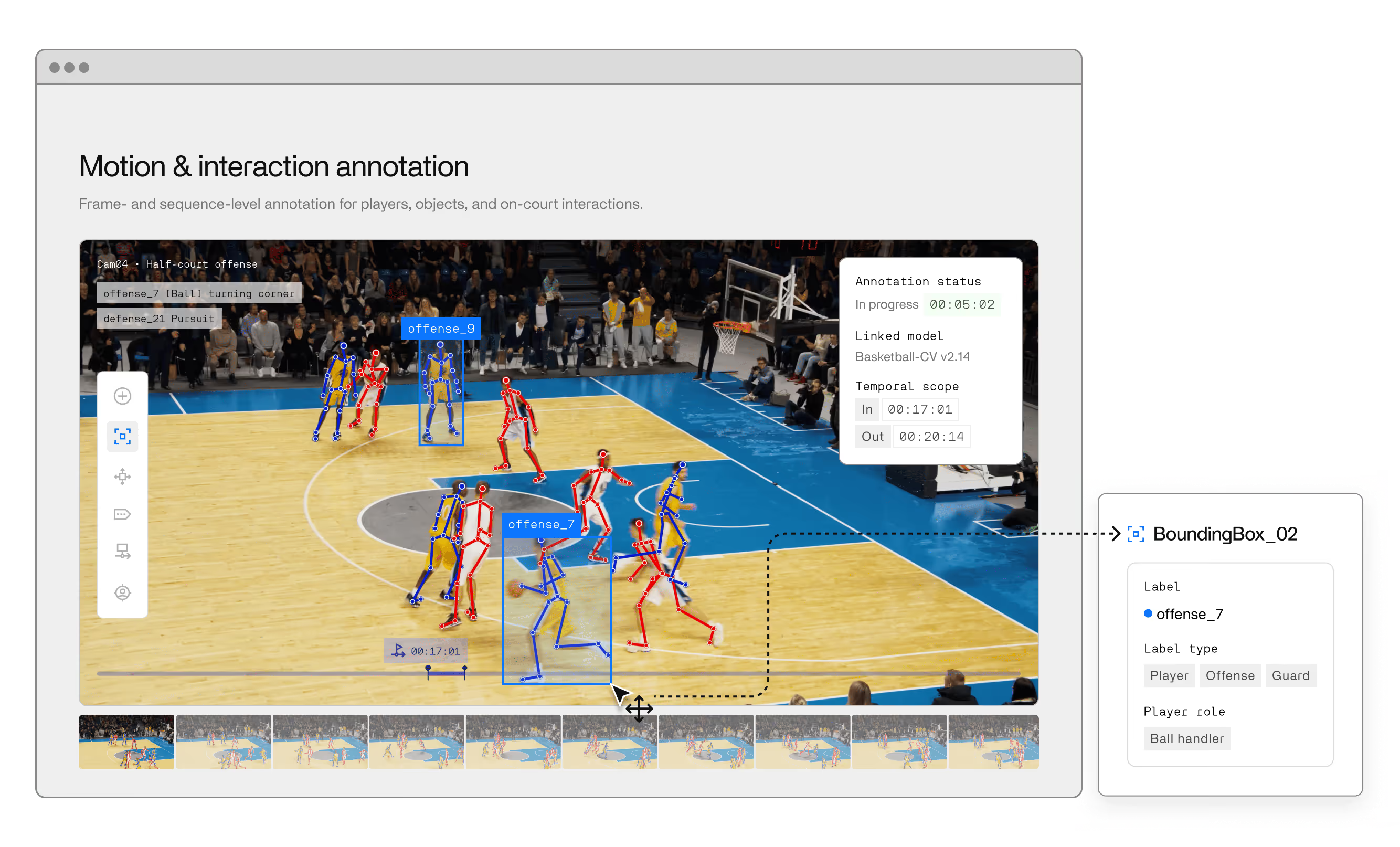
A custom-built UI for video, frame, and object annotation, to track motion, interactions, and activity over time.
Custom evaluations and QA ensure precision, reliability, and consistency across real-world scenarios.
Local deployment for secure or remote environments. Your data stays in your control.
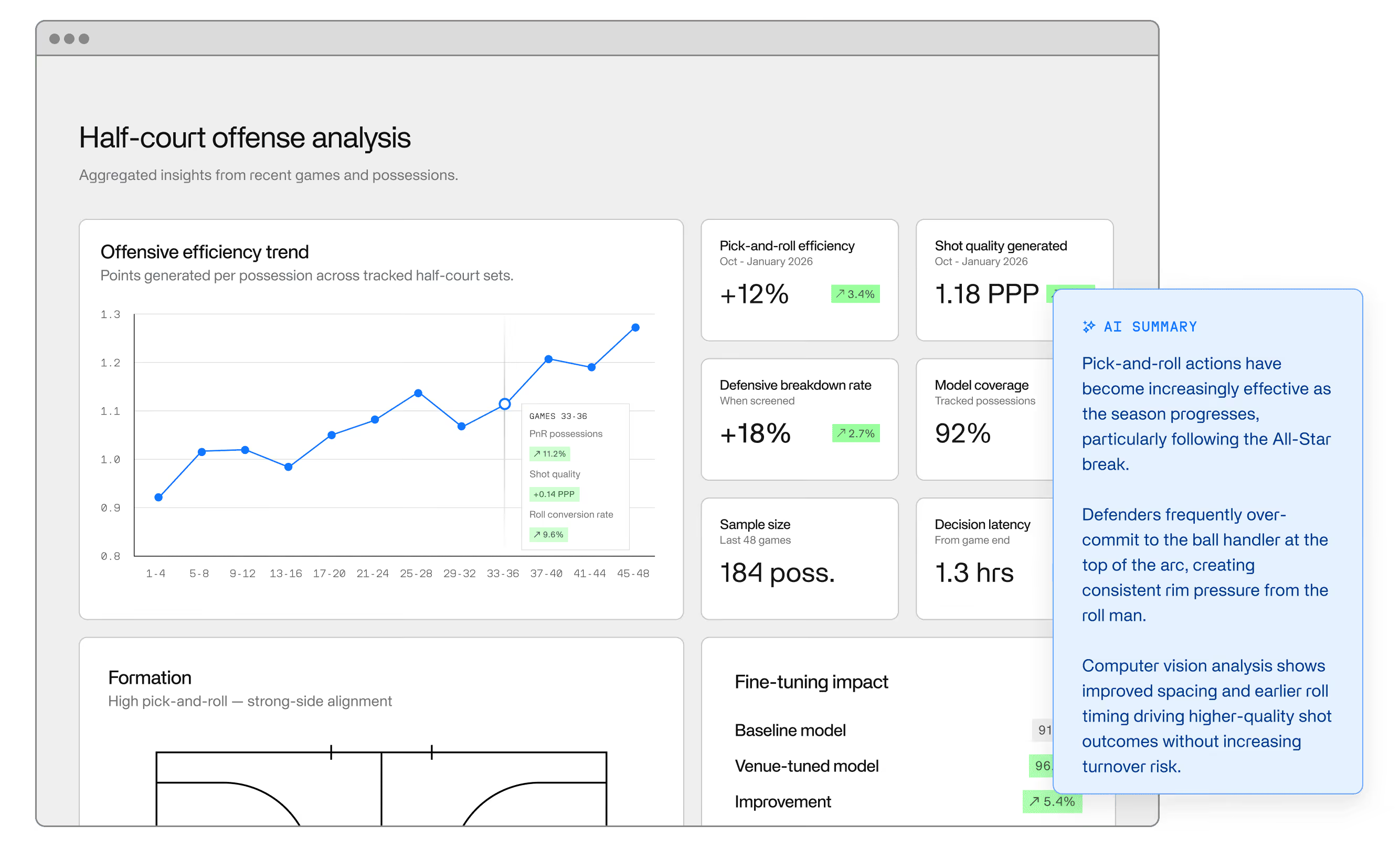
Transform computer vision signals into actionable analytics, recommendations, and time-series insight.
Vetted domain experts continuously train and fine-tune models to maintain performance as conditions change.
A custom-built UI for video, frame, and object annotation, to track motion, interactions, and activity over time.
Custom evaluations and QA ensure precision, reliability, and consistency across real-world scenarios.
Local deployment for secure or remote environments. Your data stays in your control.
Transform computer vision signals into actionable analytics, recommendations, and time-series insight.